
Audiophile Series
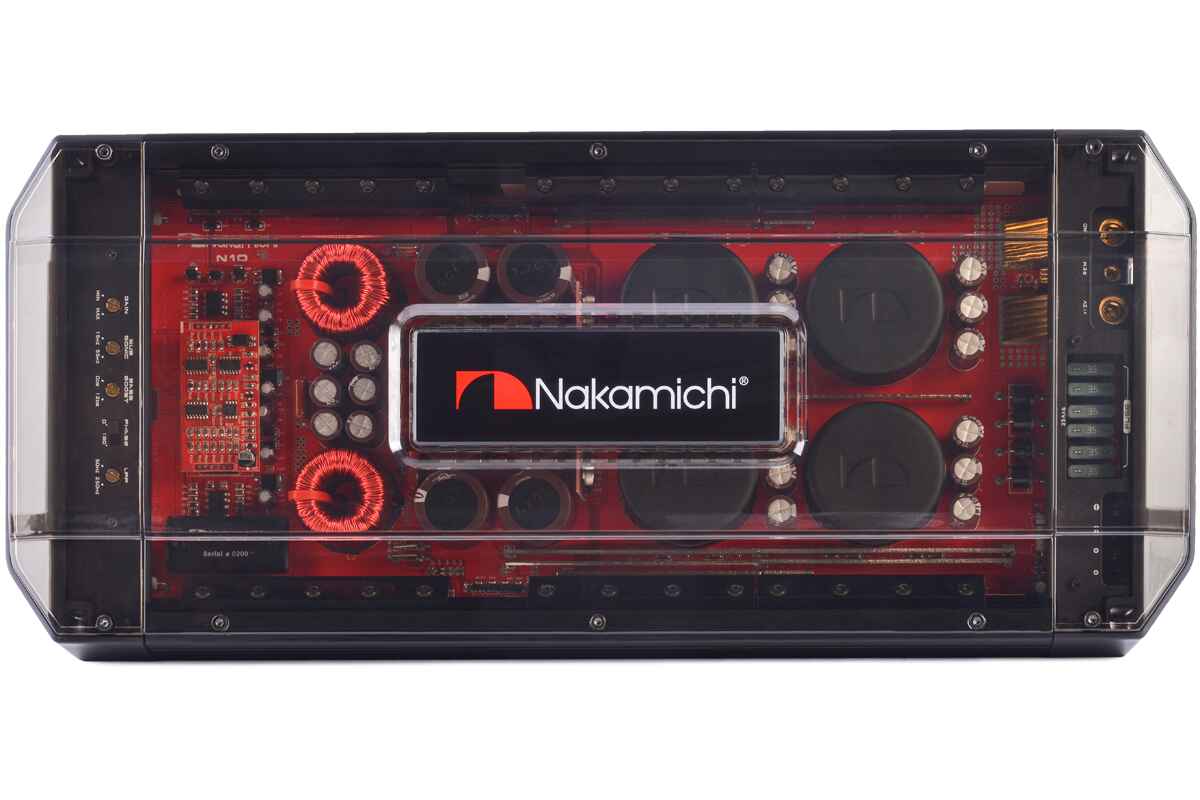
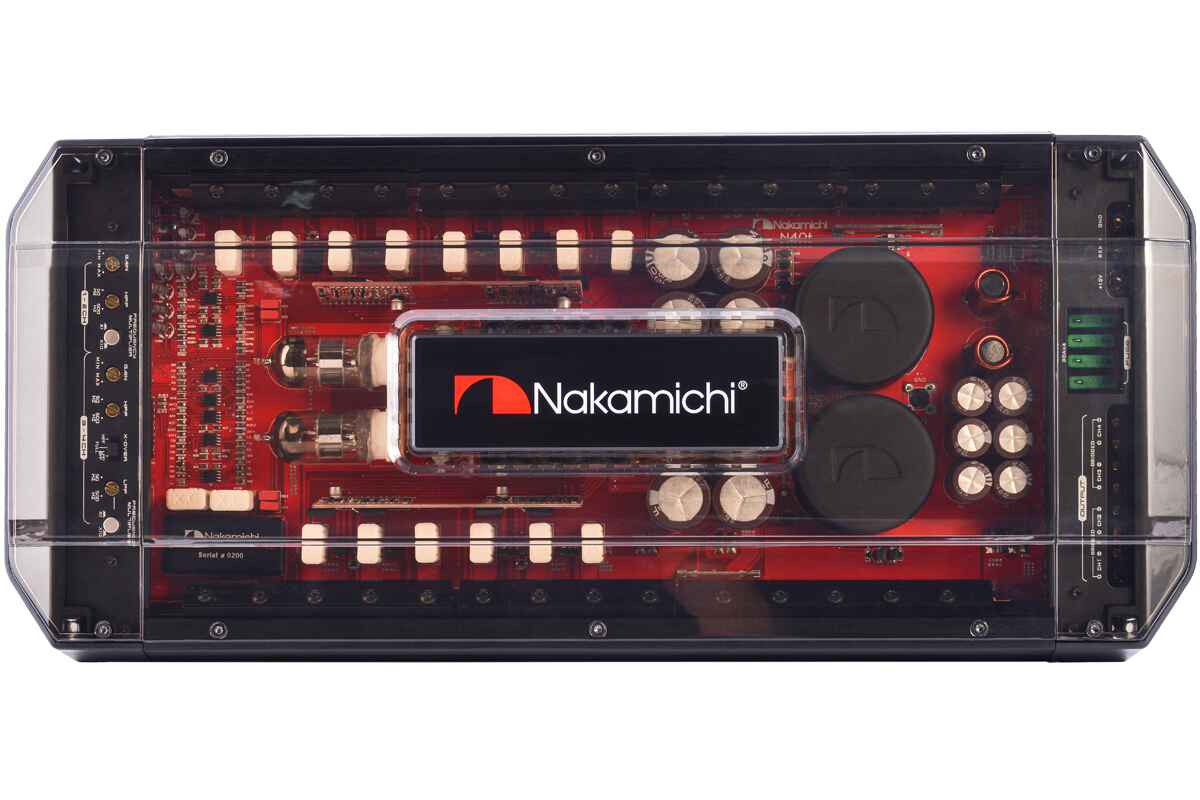
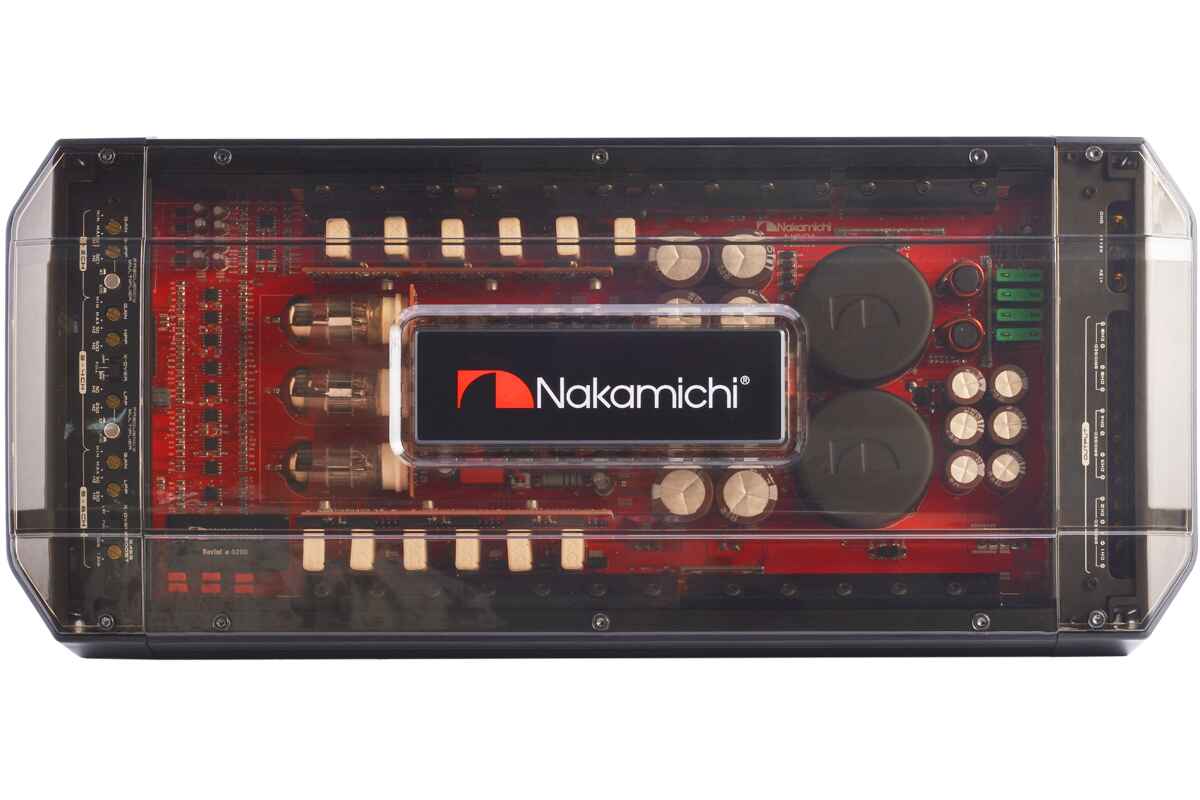
Where Car Audiophile Builds Actually Get Complicated
Most people upgrading their car audio stop somewhere around decent speakers and a subwoofer and call it good enough. Nothing wrong with that. But a car audiophile building a system where the goal is genuinely accurate, transparent sound — not just louder than stock — hits a different set of problems, and the amplifier is where most of those problems either get solved or get baked in permanently.
A cheap amp in a high-end system doesn't just underperform. It colours the sound, introduces noise, compresses dynamics when the signal gets demanding, and generally undermines everything expensive sitting either side of it. The audiophile car amplifier choice matters more than people who've never heard the difference tend to believe.
Mono, 4CH, 6CH — What the System Needs Determines This
A MONO CHANNEL amplifier does one job — driving a subwoofer with maximum power and control, nothing split, nothing shared. For anyone running a dedicated sub setup, mono is the cleaner choice. A 4CH amplifier handles front and rear speakers from one unit, works well for a full-range setup, or can be bridged to run higher power into a sub. A 6CH amplifier adds a third pair of outputs, useful for anyone running component speakers front, coaxial rear, and wanting everything driven from a single unit without adding another box to the boot. High-end car audio amplifiers across all these configurations share the same core requirement — low noise floor, stable output across the impedance range, and enough headroom that the amp isn't working at its limits during normal listening volumes. That last point catches people out most often, buying an amp rated exactly at the system's needs with no room above it.
Nakamichi and the Audiophile Car Market
Nakamichi's audiophile car audio amplifiers are built around transparency, mattering more than headline power figures. The best audiophile car amplifier isn't the one with the biggest number on the box — it's the one introducing the least between source and speaker, holding that standard consistently rather than just during ideal test conditions.
For a car audiophile where every component has to earn its place, that consistency is what the amplifier decision actually comes down to.
FAQ
Got questions? We’ll answer them. If you can’t find the answer to your question here, feel free to reach out to us from our Contact Us section.