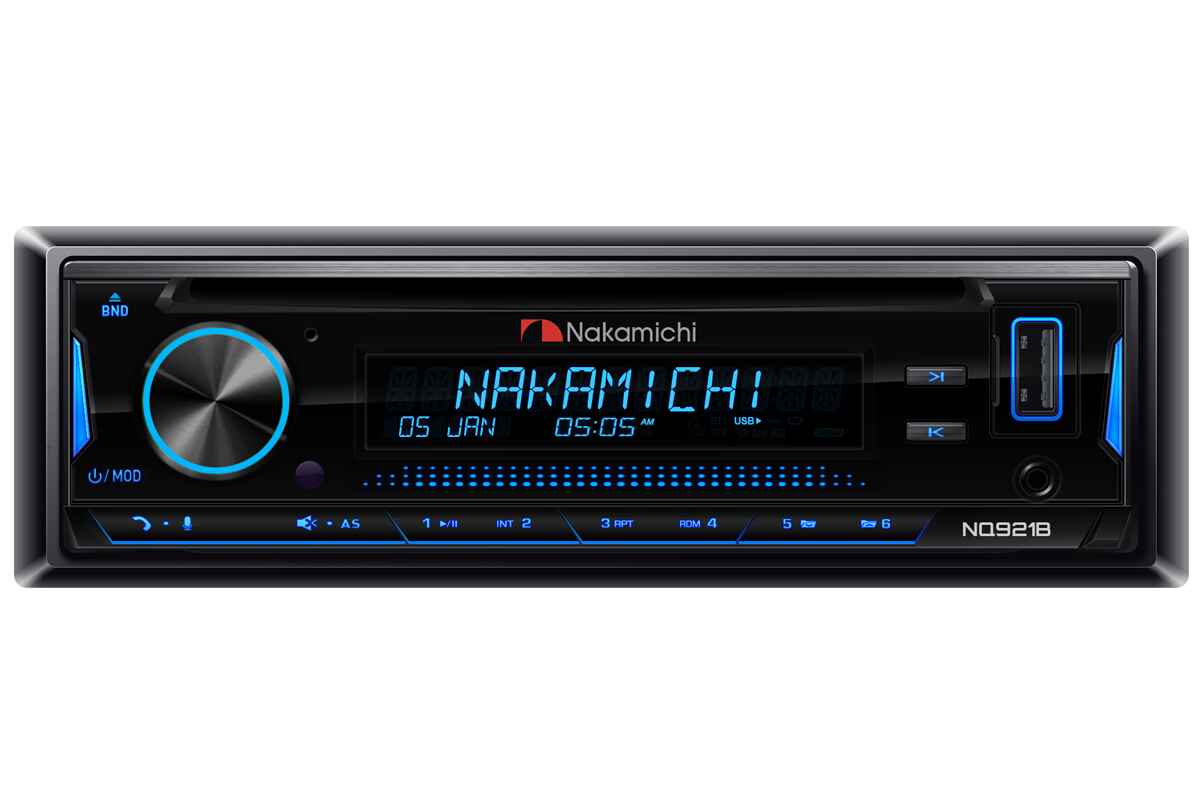
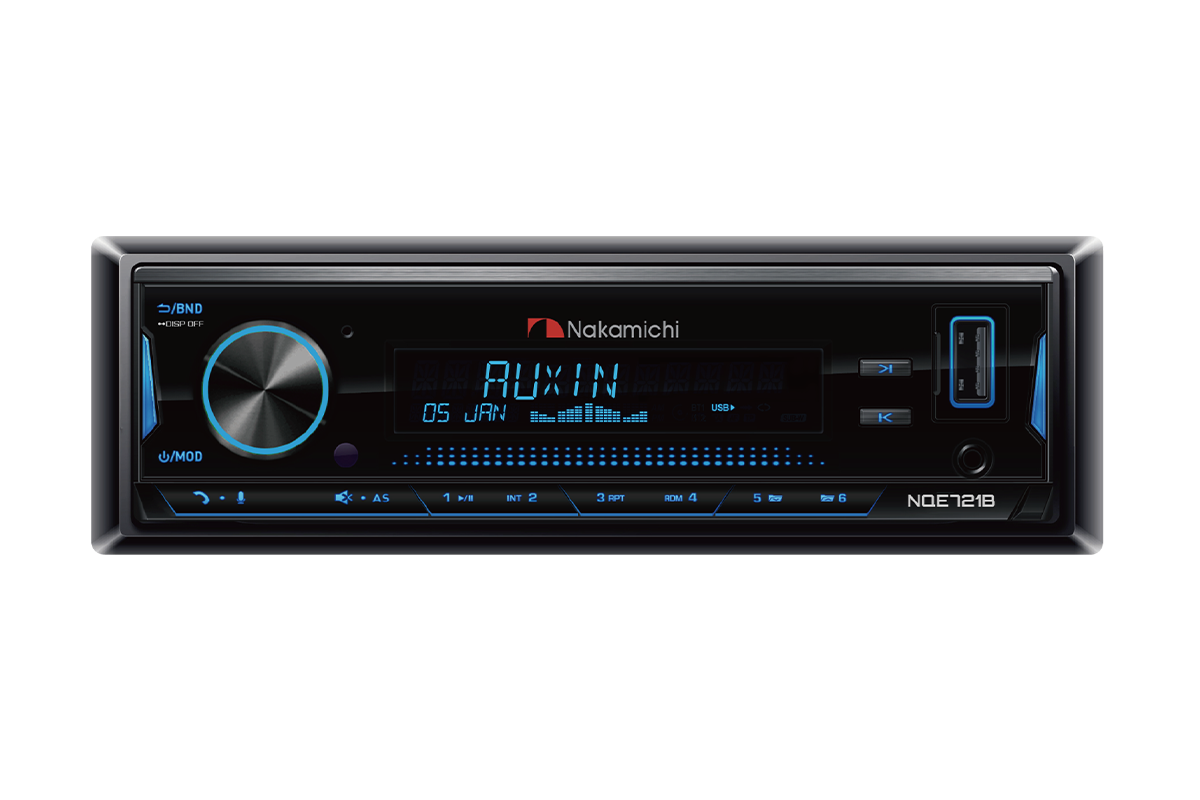
x

CD DVD Receivers

CD and DVD Receivers — Still Relevant, Just Not for the Reasons People Think

Nobody talks about car CD receivers without someone in the room rolling their eyes. Streaming exists, phones connect over Bluetooth, so why would anyone still care about a slot that plays discs? Fair enough on the surface, less fair once you've driven a long stretch of highway where mobile data drops out for forty minutes and the playlist just stops. Or you're one of those people, and there are more of them than the streaming narrative acknowledges, who built a serious music collection in a format that still sounds better than compressed audio on a middling Spotify plan.

Not a nostalgia argument. A practical one.

What a Car DVD Receiver Brings That a Basic Unit Doesn't

Screen's the obvious part, but that undersells it. A proper car DVD receiver changes how the whole cabin interacts with the head unit — rear camera input, USB video for passengers on longer trips, and an interface that's actually large enough to use without squinting while parked. Navigation off a disc is mostly a historical footnote now since every phone handle that better, but the display capability and what it enables beyond disc playback is what makes this format worth considering over a smaller unit.

Nakamichi's car CD receivers are built around the idea that the head unit is the system's control center, not just a media player. Output levels, EQ adjustments, source switching — these should sit somewhere accessible rather than three menu layers deep in an interface nobody designed for real-world use. The difference between a receiver that's pleasant to operate daily and one that's technically functional but constantly slightly annoying adds up over months of driving.

The Source Unit Limits Everything Downstream

Weak DAC quality, inconsistent output levels, noise introduced at the source — none of that gets fixed by a better amp or better speakers further down the chain. It just gets amplified alongside everything else. Nakamichi's approach to car CD receivers puts clean signal quality at the head unit stage, which means the amplification downstream has something worth working with rather than compensating for problems that started before the signal ever reached the amp.

Unglamorous detail. Audible difference.

FAQ

Got questions? We’ll answer them. If you can’t find the answer to your question here, feel free to reach out to us from our Contact Us section.

No, they lack disc players and are instead built with a more compact design focused entirely on digital streaming via Bluetooth, USB, and smartphone apps.

Digital media receivers are lightweight units built purely for modern smartphone streaming and USBs, whereas traditional car stereos rely on physical CD/DVD playback.

Yes, most include built-in equalizers that let you customize bass, treble, frequencies, and presets, with premium Nakamichi models offering advanced tuning for enhanced clarity.

Many have built-in microphones for safe, hands-free calling, and some premium models add an external microphone to maximize voice clarity and minimize background noise.

Check your dashboard slot or manual: a Single DIN slot is about 2 inches tall, while a Double DIN slot is about 4 inches tall and typically fits large touchscreens.

Yes, they work seamlessly with stock speakers and will improve their sound quality, though adding upgraded speakers or amplifiers delivers the ultimate audio performance.

The best unit is one offering high-voltage pre-outs, subwoofer controls, and bass boost options, making Nakamichi multimedia receivers an ideal choice to power external amps and subs.

Media receivers focus strictly on audio playback via Bluetooth or USB, while multimedia receivers add touchscreen displays, video playback, reverse camera inputs, and smart navigation.

The best choice depends on vehicle compatibility, but Nakamichi multimedia receivers stand out by offering seamless smartphone integration, touchscreen navigation, and wireless connectivity.

An ideal choice is a Nakamichi Double DIN multimedia receiver, as they combine broad vehicle compatibility with steering wheel control support, backup camera integration, and premium sound.

A standard media receiver focuses strictly on stable audio playback and basic connectivity, whereas an Android head unit functions like a mini-tablet capable of running apps, YouTube, and Google Maps.

A standard media receiver focuses strictly on stable audio playback and basic connectivity, whereas an Android head unit functions like a mini-tablet capable of running apps, YouTube, and Google Maps.

For anyone with an existing disc collection, regular routes with patchy mobile data, or a preference for physical media that doesn't depend on a subscription, yes. Nakamichi's car CD receivers combine disc playback with modern connectivity, so there's no choosing between formats.

CD receivers handle audio discs, usually with a smaller display or none at all. A car DVD receiver adds video playback, a larger screen, rear camera support, and more interface options. The DVD format suits anyone wanting a more complete in-car setup beyond just audio.

Yes, particularly where the factory unit has a poor DAC or limited output options. Nakamichi's receivers output a cleaner signal at the source level, which the rest of the audio system then builds from rather than compensating for.

Yes — modern Nakamichi units combine disc playback with Bluetooth streaming, USB input, and auxiliary connection. Whatever source format is convenient, the receiver handles it without needing separate units for different inputs.

Standard DIN fitting works with most vehicles using the appropriate harness adapter. Display and camera wiring adds some complexity over a basic head unit swap, but nothing a competent DIY installer or car audio shop doesn't handle routinely.